Black Friday has come — but it’s not gone, yet.
U.S. consumers have already started on their holiday shopping lists, some as early as this past summer, and are set to continue working through them well past this weekend. Still, it was a busy day, in stores and online, with spending topping $13 billion on Black Friday online alone, a year-on-year increase of more than 11%, according to Adobe Analytics.
The post-Thanksgiving shopping event has always been about getting good deals, but this year the discounting was especially deep.
“Customers were looking for bargains, they really wanted to have their dollars go as far as possible and depending on the retailer and brand, unless you were 30% to 50% off from the get-go, you weren't getting the traffic,” said Michael Brown, a partner at consulting firm Kearney who visited a variety of retailers on Friday.
While full Q4 results won’t be revealed for months, here is our annual assessment of the winners and losers of Black Friday, based on early numbers and reports from the field.
Losers
Macy’s Thanksgiving Day Parade
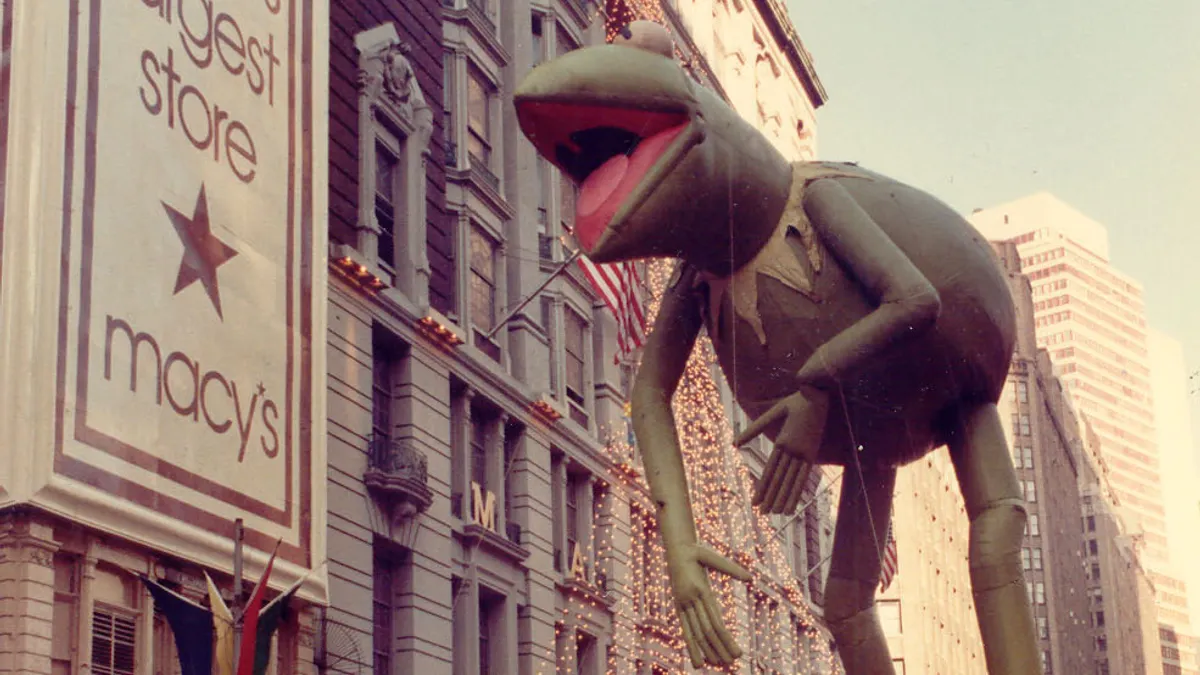
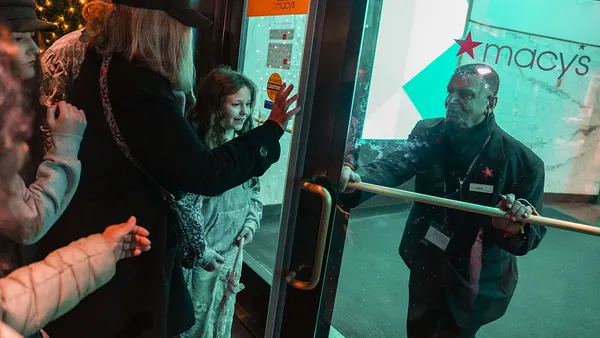
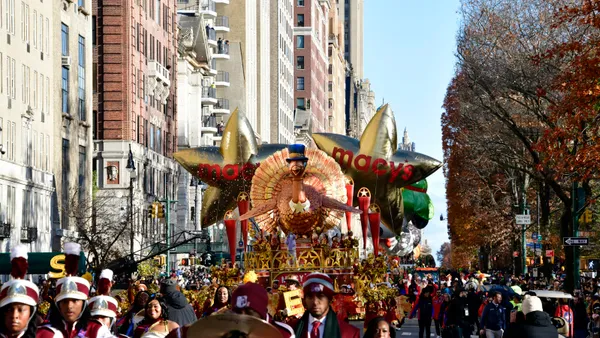
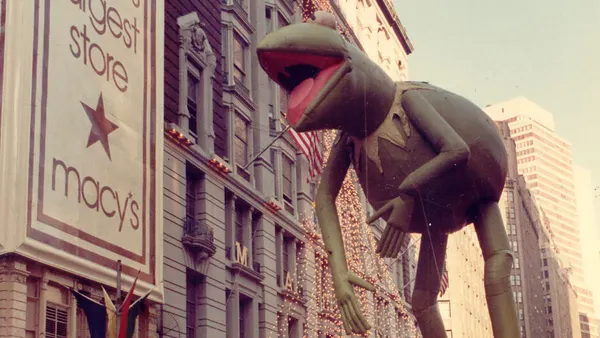
This year, Macy’s parade on Thanksgiving Day — held 99 times before and broadcast to millions of homes every year for decades — was literally deflated.
The event was supposed to have been extra special because it is the 100th one, but a forecast for severe weather interfered with that. To keep the millions of spectators, marching bands and other participants safe, the department store made the difficult decision to postpone the pageantry until Saturday. Rather than putting the finishing touches on its preparations, Macy’s was forced to take the air out of its massive balloons.
“We are incredibly grateful to the thousands of volunteers, performers and partners who make this extraordinary tradition possible,” a Macy’s spokesperson said in a statement emailed on Wednesday. “We can’t wait to celebrate 100 years of Parade magic together on Saturday.”
The storm that ravaged much of the East Coast on Thanksgiving proved to be catastrophic in many areas, with gale-force winds in New York City, proving that the cancellation was the prudent thing to do, despite the cost and inconvenience.
Off-price stores
Retailers, including department stores, have been losing market share to retailers like T.J. Maxx and Burlington, in part because the off-pricers are laser-focused on beating mainstream retailers on price every day.
With Black Friday promotions especially steep and marketing based squarely on discounts and doorbusters, though, retailers may have taken some of the wind out of those sales this year. Target offered Barbies, pajamas and games starting at $5, Macy’s had stocking stuffers priced at $10 and up, and Walmart had a gifting section dubbed “Deals for Every Budget,” according to Brad Jashinsky, director analyst at Gartner, who also scouted various Black Friday events.
“There is still a lot of large percentage off messaging, but the low-price messaging makes sense as consumers continue to be extra price conscious and many set specific budgets for each person they are shopping for,” he said by email.
This dynamic may change later in the season, but on Black Friday, off-price stores were relatively quiet, according to Brown.
“Off-price’s everyday lows were not a draw,” he said. “The off-price retailers I visited weren’t promoting at all, beyond their everyday low prices. They didn’t appear to be competing for the customer today.”
Winners
Macy’s Inc.
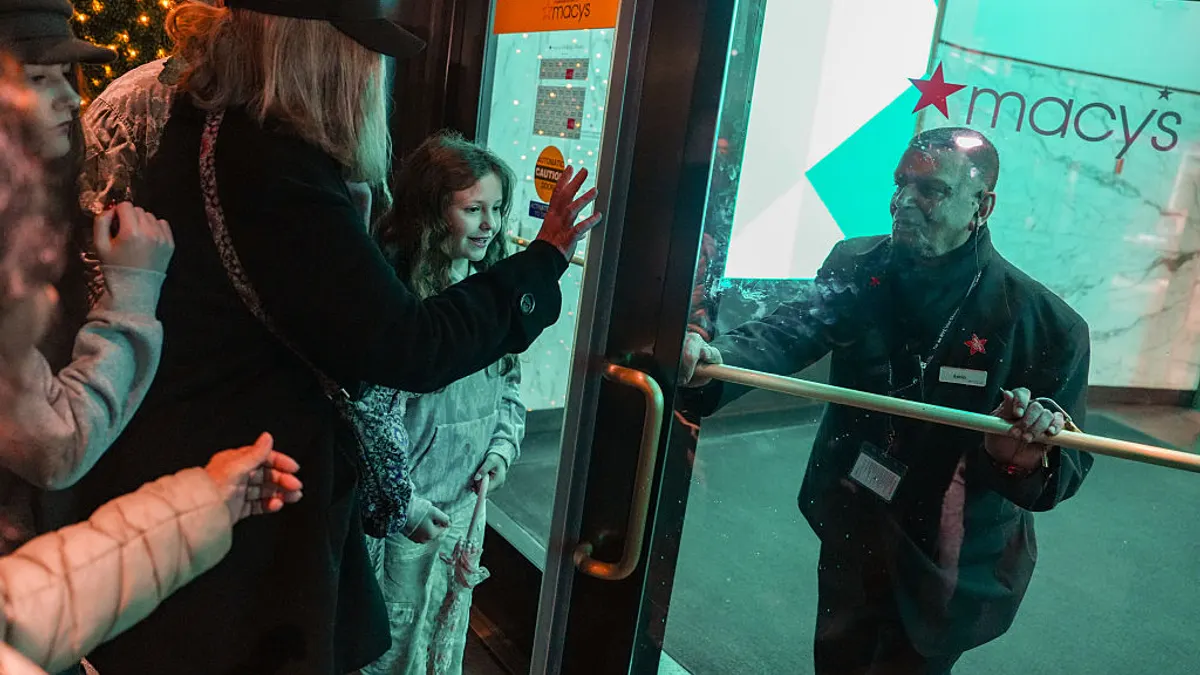
Macy’s and Bloomingdale’s drew crowds on Black Friday, probably thanks to their extremely attractive discounts.
In suburban New York, a Neiman Marcus mall anchor seemed practically empty, with a nearby Nordstrom doing a little better, according to Chris Ventry, managing director at consulting firm Ankura. But at the Bloomingdale’s down the road, traffic was fairly brisk, he said by phone.
And namesake Macy’s was “one of the real standouts,” according to Brown.
“Macy’s was bustling with deep discounts during the doorbuster hours and seemed to capture the lion’s share of the traffic at their malls,” he said. “They were aggressive on their pricing — they had some 70% off deals which could account for them commanding the bulk of the traffic in the mall.”
Plus, the parade on Saturday seemed to be a joyful success in the end.
Doorbusters
Shoppers, including many younger ones, were drawn to stores on Friday by the kind of doorbuster deals that used to be a feature of the red-letter day but have been less prominent in recent years. This year, early-morning prizes, limited specials and big discounts were a hit, according to Ventry.
A third of consumers, especially Gen Z, planned on getting to a retailer early in the morning to get a Black Friday promotion, according to Salesforce.
“Gen Z are really leaning in. They want to have that moment, those stories, that experience, and so we saw that start to become an option for shoppers last year, and I think it grew even more this year,” Caila Schwartz, head of agentic commerce shopper insights at Salesforce, said by video conference. “We saw more brands, more retailers participating.”
Target bumped up its giveaway this year, handing out gift cards worth $25 to $1,000 to the first 100 shoppers. Others with similar doorbuster attractions were Lowe's, Kohl's, J.C. Penney, Michael’s and Bass Pro, according to Gartner.
And shoppers came for those deals. Half off or even buy one, get one deals weren’t enough for some, as many seemed to hold out for 60% or better, according to Brown.
“Given inflation levels right now, retailers are less in a position to soft pedal with smaller discounts and then increase them as the season progresses,” he said. “Doing that, they might miss the opportunity. So I think coming big right out of the gate really gave retailers an advantage today which will hopefully carry them through the season.”
Social, online and off
Social media and socializing were evident drivers this year.
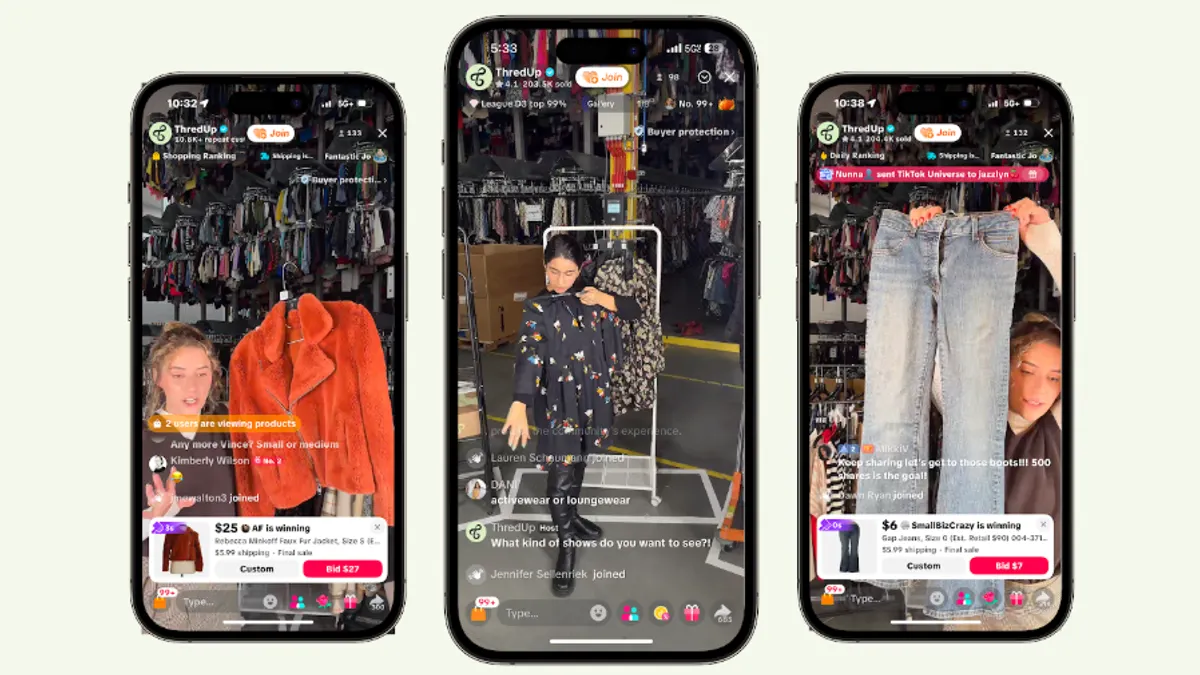
In the U.S., social media drove traffic that led to 7% of online orders, up more than 80% year on year, and orders from social media channels were up sixfold globally on Black Friday, Salesforce found. The top social channels in the U.S. are Facebook and Instagram, per that research.
“We saw traffic from social peak to levels we have never seen before,” Schwartz said. “A record-breaking number of traffic or e-commerce visits came from someone who clicked on an advertisement or a post. Social media has always been a driver of traffic, but not necessarily a driver of orders. That's changing right now.”
Interactions with shopping agents are also moving the needle, she said. Traffic from talking with an AI chatbot and clicking on a product recommendation rose 110% year over year, she said.
But engagement was not just virtual. People were also socializing with each other in malls and stores, according to Ventry. Groups gathered around to smell candles, check out clothes and, judging by the number of people carrying multiple bags, make purchases together, he said.
“They were in stores where there was that happy feeling,” he said. “It felt different this year than it did last year, where it felt much more like people were at the mall to either eat or go to a movie and just browse. This year, it felt like there was strategic shopping — probably very careful about what they were buying in terms of the price points — but they were buying.”