Sales in the luxury sector are slowing as the economy cuts off less wealthy, more aspirational customers.
The softness seen this year is expected to persist, at least in the near term, at most of the high-end names, according to a client note from HSBC Global Investment Research. Cartier owner Richemont, where Q3 organic sales are expected to grow 13% year on year, is an outlier. Overall Q3 organic sales in the sector are expected to grow less than 3% year on year, compared to 7% growth the previous quarter. For the year, HSBC estimates the sector will grow 5%. Taking out Richemont and Swatch, that slows to 3.3%.
“Overall, while we became more cautious on the luxury sector at the beginning of September, we now expect Q3 to be even weaker than initially anticipated,” HSBC analysts led by Anne-Laure Bismuth said in their note.
They cite several reasons for this, starting with tough comparisons to the first half of the year but also including weak tourism in Europe and downbeat consumer sentiment.
The “feel-good factor of [the] consumer isn’t at its best, affecting the luxury sector,” they said.
However, after a post-pandemic boom, luxury has been slowly but steadily slumping for the last three years, according to research from Christopher O’Malley, portfolio manager, and Louise Singlehurst, research analyst, at Janus Henderson.
Consumers emerged from the pandemic flush with cash, thanks to the government stimulus and rising value in their assets. And they wanted to feel good.
“The result was a surge in consumption coupled with strong pricing power that drove rapid sales growth and significant outperformance among European luxury stocks through 2023,” O’Malley and Singlehurst said. “Growth was further supported as consumers demonstrated a willingness to trade up to higher-priced and more premium options.”
The outpouring of demand had to inevitably subside, though. Then came inflation. Brands raised prices to make up for that, and that has blindsided aspirational luxury consumers, who spend less per person but have buoyed the sector.
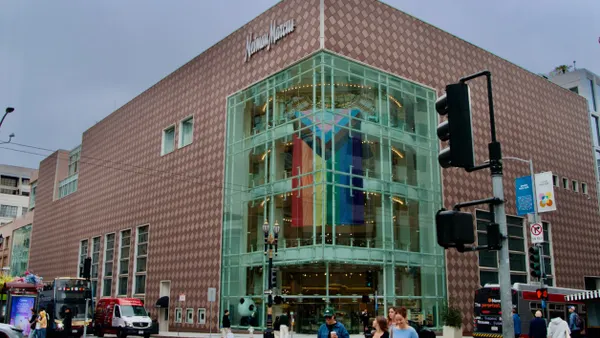
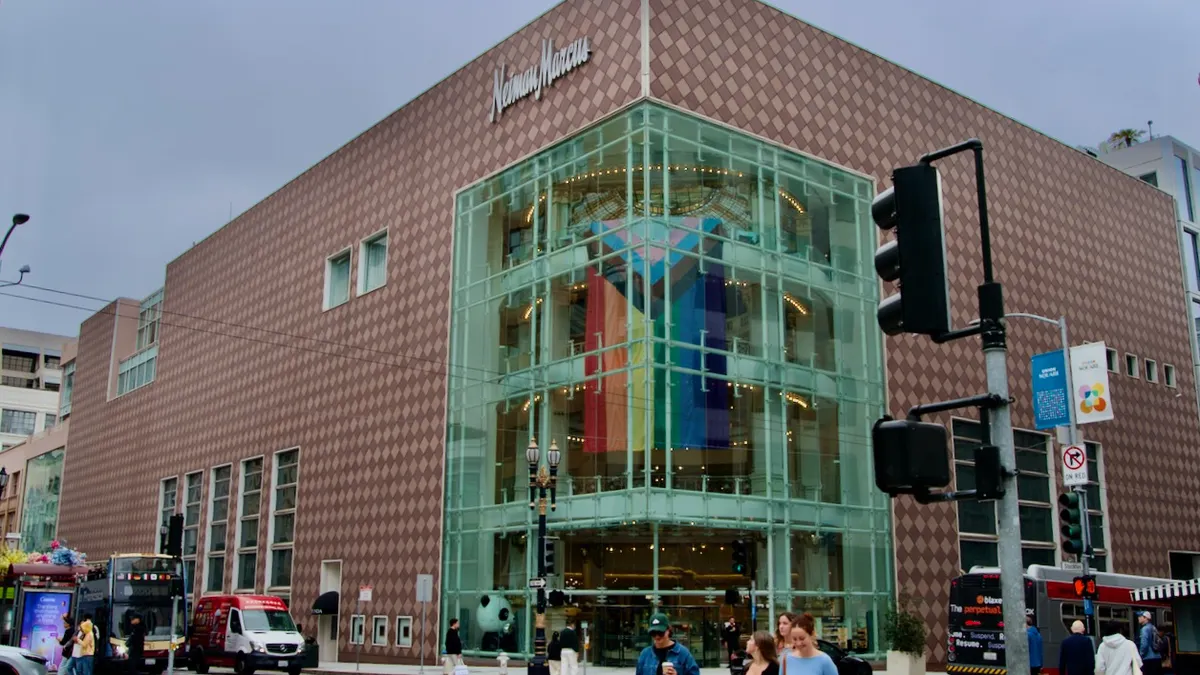
The recent downtrend has hurt not just brands but also the department stores that sell them. Early this year Saks Global, which runs upscale retailers Saks Fifth Avenue, Neiman Marcus and Bergdorf Goodman, filed for bankruptcy. The company emerged six months later with some questions still swirling about its long-term success.
If this year was going to offer hope of a turnaround, that has been undermined by a number of forces, according to the Janus Henderson analysts.
“Optimism for a gradual recovery in 2026 has since been challenged by the U.S.-Iran conflict, with higher energy prices and geopolitical uncertainty dampening travel and consumer confidence, while demand from China has remained sluggish,” they said.