
The mall is thriving. Here's what's driving its success and why it matters to retailers.
The best destinations are pulling ahead
When you study the places people return to, patterns emerge. The most successful shopping centers are doing what great retail destinations have always done: giving people compelling reasons to visit, explore and return. Today, those reasons extend well beyond shopping. It's dining, entertainment, fitness, services, and a carefully curated mix of brands, all working together to give a destination a reason to matter to the consumer at 9 a.m. and again at 9 p.m.
Here’s the counterintuitive part: in an era defined by convenience, it’s the richness of the in-person mix that’s setting the pace. The results are visible in performance. Green Street reported that traffic at A- and B-quality malls rose 1% year over year in the first quarter of 2026. Its data also estimates that A-quality malls generated approximately $930 in sales per square foot in 2025, with sales productivity growing about 3% annually over the preceding decade. These are meaningful signals of the staying power of high-quality retail real estate. Translation: quality centers aren’t just hanging on, they’re pulling ahead.
Quality makes the difference
Not all shopping centers offer the same proposition. Location, trade-area demographics, tenant mix, reinvestment commitment, and day-to-day operations can dramatically shape the experience for shoppers and the opportunity for retailers. In other words: same square footage, very different outcomes.
That distinction isn't a vibe. It's measurable. According to Green Street's February 2026 analysis, A-quality malls represent approximately 30% of U.S. mall inventory yet account for 60% of mall retail sales. Their share of sales has increased eight percentage points since 2019. In other words, the best centers aren't just performing well — they're capturing an outsized share of consumer spending, which is exactly why choosing the right destination matters so much to retailers.
Quality is not static. Successful centers continually adapt their mix of stores and experiences, introduce new concepts and reinvest in environments that reflect the communities around them. Markets evolve. But the teams behind shopping centers evolve faster.
One destination, more reasons to visit
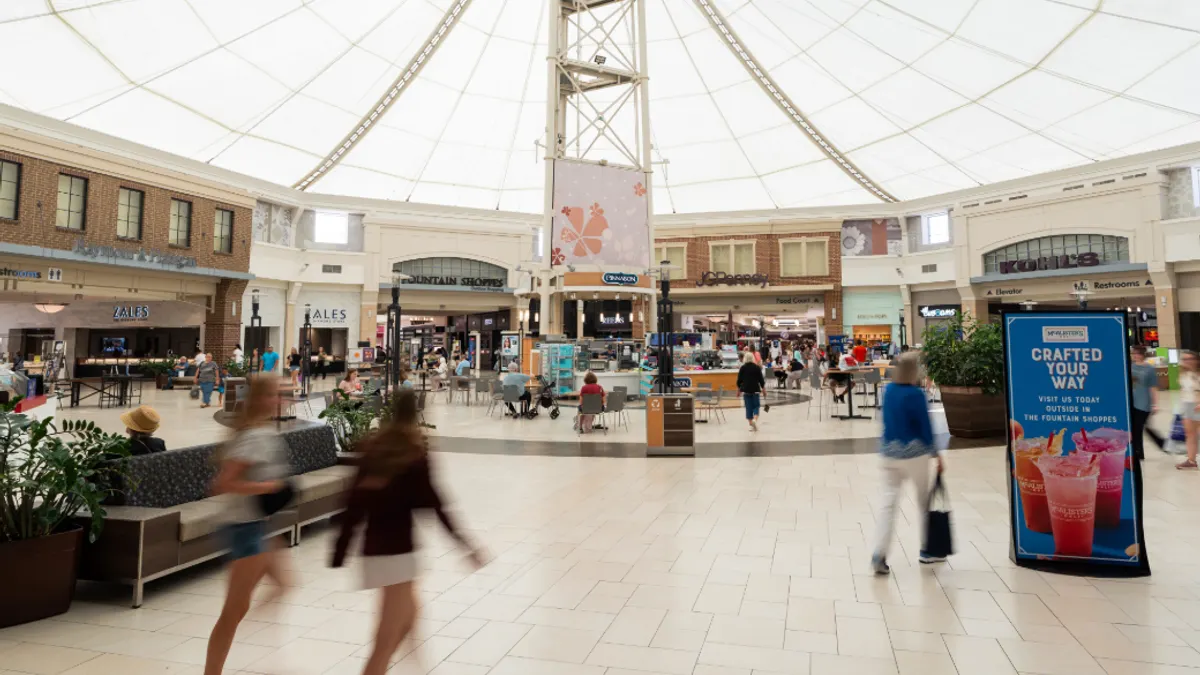
Picture the rhythm of a modern mall. Someone swings by for a morning coffee or a workout. Stops into a store in the afternoon. Comes back for dinner or a movie that night. By bringing all these uses together under one roof, a shopping center becomes relevant across more hours of the day — and more reasons to show up.
That mix also does something a single storefront simply can't: it invites discovery. A shopper who came in for one retailer might wander into a new beauty brand next door, browse a neighboring store, or stay for a meal they hadn't planned on. The appeal of the whole destination creates cross-shopping opportunities that a standalone shop would have to work a lot harder to generate on its own.
But let's not undersell the human part of this. As people increasingly crave real-world experiences and genuine connection, shopping centers have become places to gather, socialize, and discover — not just transact. That combination of shopping, experience, and connection is what makes the modern mall more than a checkout line. It's what gives people a reason to keep coming back.
Built-in benefits beyond the storefront
For retailers, the value of a strong mall doesn't stop at the edge of their leased square footage. An established destination comes with a built-in audience and the drawing power of the tenants around it. Co-tenancy can introduce a brand to shoppers who did not set out to visit its store at all. Accidental discovery is still one of retail’s best marketing strategies.
Shared infrastructure sweetens the deal further. Property services such as parking management, security, common-area upkeep, and on-site operations can reduce responsibilities retailers might otherwise manage independently. Center-wide events, marketing programs, and local relationships can also help businesses connect with the surrounding community. While services vary by property, the underlying advantage remains the same: retailers benefit from being part of a broader ecosystem rather than operating in isolation. Less time on facilities issues, more time with customers.
What it takes to build a thriving retail destination
None of this happens by accident. Building a genuinely successful shopping destination takes the right location, thoughtful tenant curation, continued investment, and — perhaps most importantly — a real understanding of how to evolve and stay relevant to the consumer over time.
For more than 70 years, GGP has been focused on exactly that. We've navigated industry shifts and helped shape the evolution of shopping centers across the U.S., and today, with nearly 95 shopping centers across 34 states, that experience continues to inform how we create destinations that stay genuinely relevant to the retailers and communities they serve. That’s a retail real estate legacy with unmatched expertise that works for you. More than a landlord. A true partner in your business.
Learn more about GGP and its legacy of shaping retail destinations at GGP.com.