It’s been another week with far more retail news than there is time in the day. Below, we break down some things you may have missed during the week and what we’re still thinking about.
From Brooks’ Q3 results to Aritzia’s five-year plan, here’s our closeout for the week.
What you may have missed
Roots CEO exits
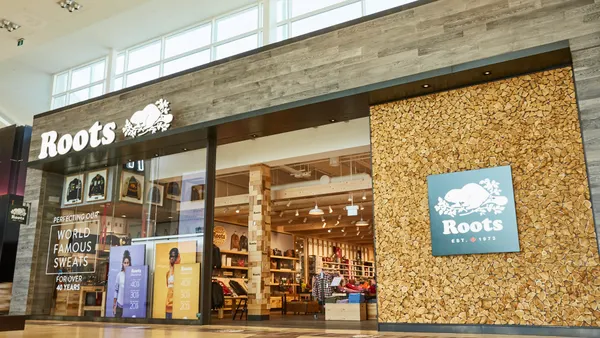
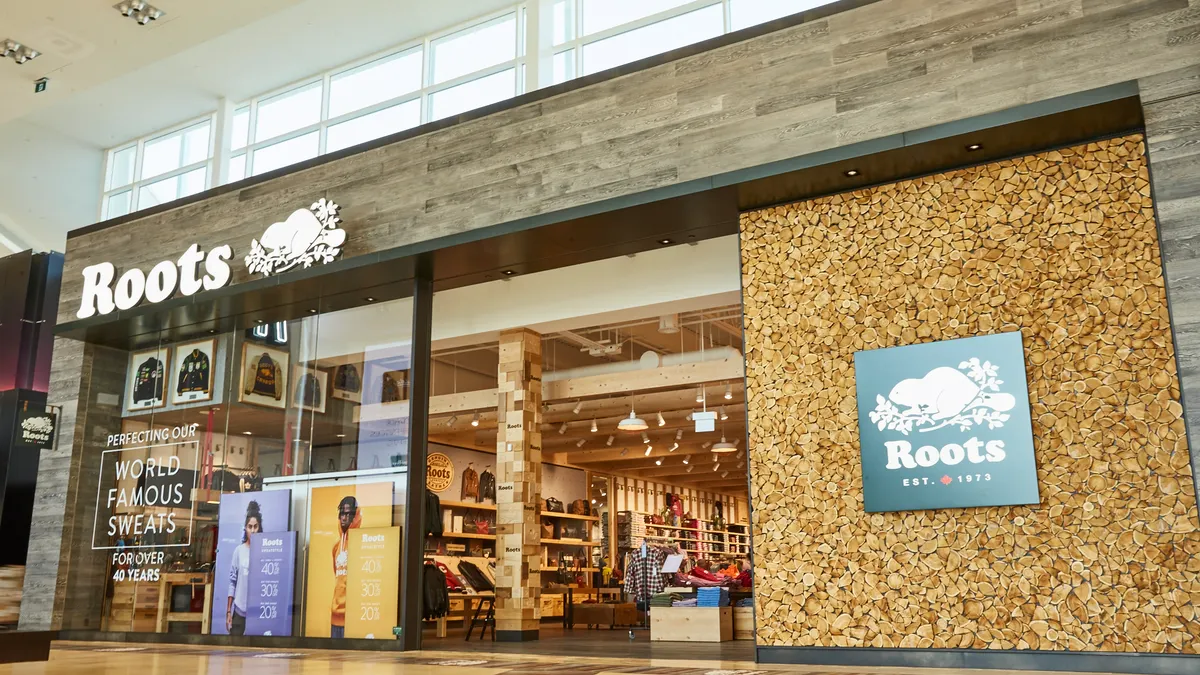
Roots has completed its go-private transaction, according to a Monday press release. The retailer entered into an agreement to be acquired by Marquee Brands in August.
As a result, Roots CEO Meghan Roach stepped down from the company as its president and chief executive officer. She will continue on as an adviser to the company. Roach joined Roots as interim CFO in 2019 and became CEO in 2020.
“With the transaction complete, this is the right moment for me to step aside,” Roach said in a statement. “I have every confidence in the team’s ability to carry the brand forward, and I am excited about the future of the company.”
Brooks notches 13th consecutive quarter of revenue growth
Privately-held running brand Brooks on Thursday said it has achieved its thirteenth consecutive quarter of revenue growth, with global performance running and U.S. premium performance running footwear posting gains in the third quarter.
For the nine-month period through September, the company saw revenue increase 12%, with growth across all regions, including 9% each in the Americas and Asia-Pacific and 24% in Europe, the Middle East and Africa. By category, footwear increased 11%, while apparel grew 18%.
The company said the brand maintained the No. 1 market position within specialty retail in Q3.
“As we expand the Brooks brand globally, we're constantly pushing ourselves to rethink what's possible — in our products, in the experiences we create, and in the ambitions we pursue alongside runners,” Dan Sheridan, CEO of Brooks Running, said in a statement. “Our results through the first three quarters of 2026 reflect the momentum that comes from that mindset and the incredible work of our teams around the world.”
Retail therapy
Fancy Feast lets the cat into the bag
Sometimes a collaboration surprises you, like Lil Nas X and Billy Ray Cyrus on "Old Town Road." Other times, it just makes sense. The Little Gem, a tiny limited-edition bag inspired by Fancy Feast’s white cat, designed by Susan Alexandra — and worn by television personality/cat lover Paige DeSorbo — is an example of the latter. Alexander already sells bags inspired by cats, including one dubbed “Meow Meow,” and DeSorbo has a white cat named Daphne.

But these items are poised to be collectibles, and they’re already purrrty rare. Fancy Feast made only 25 of the little handmade bags, each hand-embroidered with intricate beadwork. For anyone eager to pounce, a sweepstakes launched Wednesday provides the opportunity to get their paws on one.
What we’re still thinking about
17%
That’s the upper end of the compound annual growth rate Aritzia projects for its next five years in business. The company expects to make at least $6.8 billion by 2032, more than doubling its most recent annual revenue.
During that period, Aritzia plans to open between 12 and 14 stores annually and reposition five to seven stores annually. The company is also leaning into product expansion, revamping a denim line next year and eyeing categories like handbags and beauty.
What we’re watching
The FTC’s battle on pricing strategies
The Federal Trade Commission made one thing clear this week: It is turning its attention to how retailers set prices.
The agency on Monday took aim at Dollar General, joining 20 states in suing the rural retail juggernaut for allegedly engaging in deceptive pricing practices. The FTC’s complaint outlined consumer objections about higher-than-expected prices at registers and detailed an undercover investigation by the federal agency.
Dollar General in a statement said it aims for complete pricing accuracy, but that “occasional price discrepancies” can occur.
Then, on Wednesday, the FTC announced it sent orders to nine companies — including Walmart and Target — to supply details to help assess if the “pricing for a ticket, ride share, food delivery or other product or service varies from one person to the next” based on analysis of personal data from artificial intelligence and more.
The heightened focus on pricing by the FTC comes as both consumers and retailers are on edge heading into the holiday season.