It’s been another week with far more retail news than there is time in the day. Below, we break down some things you may have missed during the week and what we’re still thinking about.
From Build-a-Bear’s festive cryptid to New York City’s stand-alone Toys R Us, here’s our closeout for the week.
What you may have missed
Toys R Us gets Grand
Toys R Us is opening a stand-alone store in New York City’s Grand Central Terminal, the company announced on Nov. 13. The toy company will host an opening celebration on Friday, featuring an appearance by mascot Geoffrey the Giraffe.
The retailer completed a major brick-and-mortar push, first announced in September, opening 120 new locations in just a few months. A total of over 160 stores are now open across the U.S.
"With over 1,800 stores in more than 37 countries, we're bringing Toys R Us to customers wherever they live, shop and travel, and there's no better time to do that than the holiday season,” Jamie Uitdenhowen, executive vice president of Toys R Us at WHP Global, said in a statement.
FabFitFun unboxes at Walmart
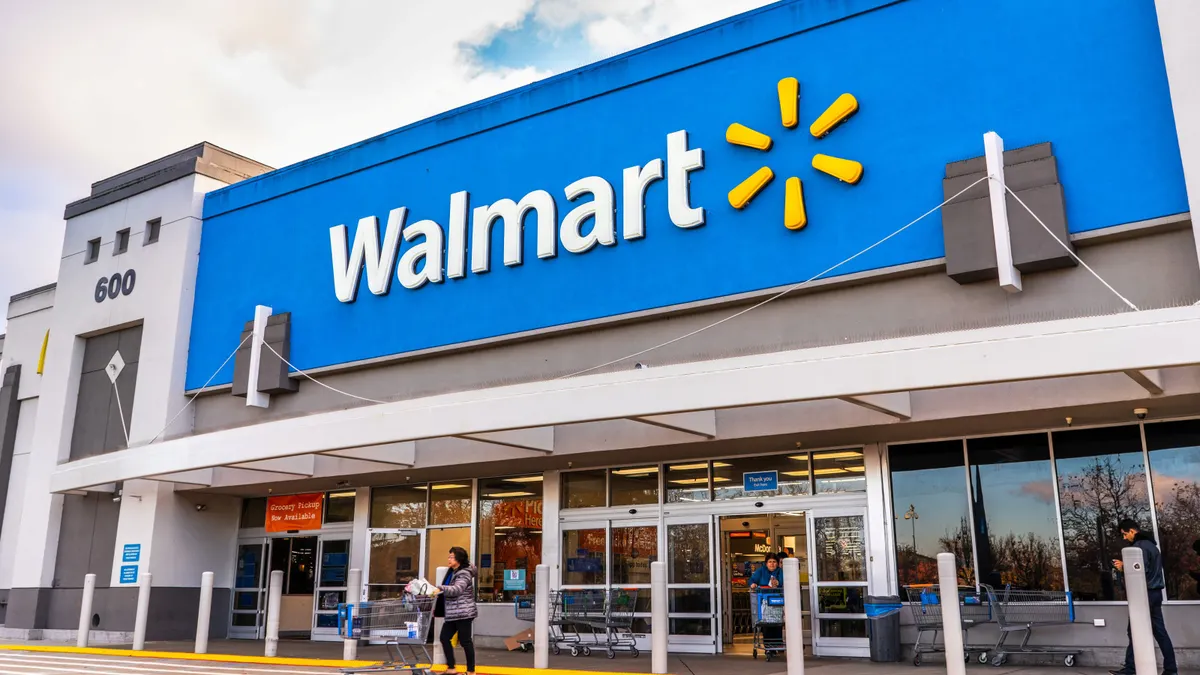
FabFitFun is selling a Holiday Mystery Beauty Box through roughly 3,000 Walmart stores this season. The $30 box will include four full-size beauty products worth $140, spanning cosmetics, skin care and hair care. It’s the first retail partnership for the subscription box company.
“FabFitFun has always been about bringing consumers the best of beauty, wellness and lifestyle at exceptional value,” Daniel Broukhim, co-founder and co-CEO of FabFitFun, said in a statement. “At a time when affordability is increasingly important, our partnership with Walmart allows us to extend that promise to more shoppers with exclusive, limited-time offerings that make great gifting more accessible for the holidays.”
Retail therapy
Holiday Mothman
West Virginia cryptid fans rejoice: Build-a-Bear Workshop released a Christmas themed Mothman stuffed animal, dubbed Merry Mothman.
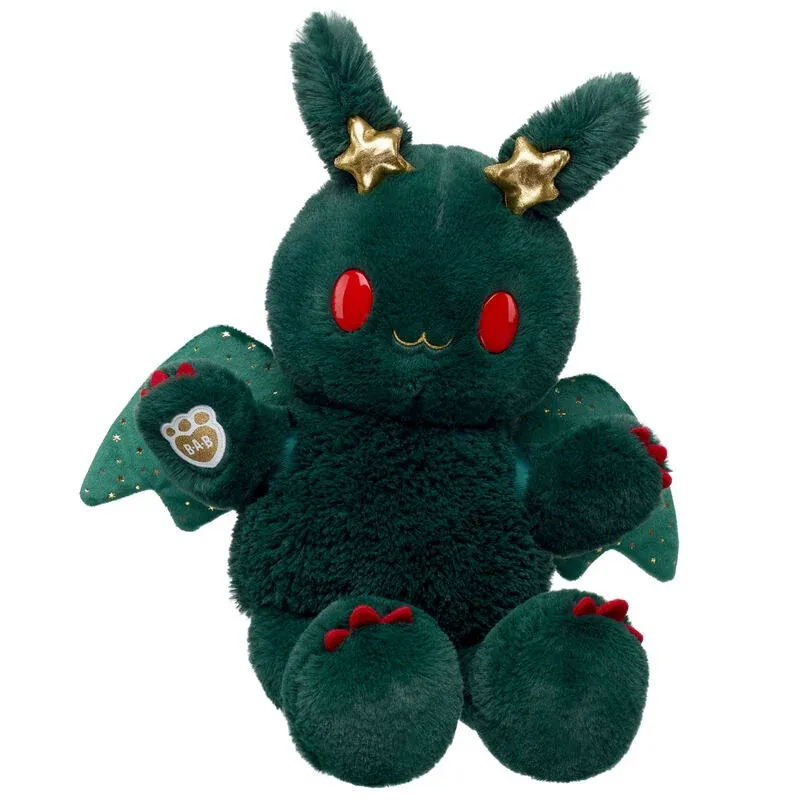
The limited edition green and red Mothman plushie, priced at $42, sold out. The creature is based on the lore of Point Pleasant, West Virginia, and has wings along with red glowing eyes. It’s also not the first time the plushie brand has released a product based on niche cryptid lore, with the retailer earlier this year debuting a stuffed product based on the Fresno Nightcrawler.
What we’re still thinking about
24%
That’s how much Amer Sports revenue increased in the third quarter compared to a year ago, reaching $2.2 billion. By segment, technical apparel increased 26% year over year, outdoor performance increased 27%, and ball and racquet increased 12%. Gross margin increased 250 basis points to 59.3%.
Profits also improved in the period, with operating income growing nearly 60% to $342.3 million and net income increasing nearly 67% to $244.1 million.
The Arc’teryx parent company raised its guidance for the full year. The company expects revenue to grow between 25% and 26%, up from prior guidance of up 24%. Gross margin will fall in the upper end of its previous guidance range, at 60.8%. Amer Sports also expects corporate expenses to be about $260 million, up from previous expectations of $240 million.
What we’re watching
New York City bans surveillance pricing, allows ‘bona fide discounts’
The New York City Council several days ago passed a surveillance pricing ban that prevents companies from using personal data and algorithms to adjust prices for different customers.
The ordinance empowers the Department of Consumer and Worker Protection to investigate complaints and issue fines of up to $1,000 for each violation. Smaller businesses can avoid fines by taking corrective action.
The National Retail Federation had opposed the bill, saying it interfered with retailers’ ability to provide customers with personalized discounts, though New York’s law “allows for bona fide discounts and rewards that are legitimate and transparent, from buy-one-get-one-free deals and loyalty programs to discounts for veterans and students.”
New York City Council Speaker Julie Menin, who sponsored the legislation, in a statement called the pricing practice unethical and said it “worsens our affordability crisis.”
Passage of the bill aligns with popular consensus, according to research from Groundwork Collective, which found that 80% of New Yorkers and more than three-quarters of U.S. consumers support banning surveillance pricing. Since last year, more than 70 bills to outlaw or limit such pricing tactics and regulate consumer data collection have been introduced in 30 states.